Digital Menus and Their Cost Efficiency: Redefining Oslo's Restaurant Scene
Amidst Oslo's dynamic restaurant landscape, characterized by its blend of traditional charm and modern innovation, digital menus are swiftly becoming the go-to choice for restaurateurs aiming to boost efficiency and enhance customer engagement. The evolution to digital solutions, prominently led by companies like PlumQR, a specialist in QR menus, has marked a significant shift in how the city's dining establishments operate.
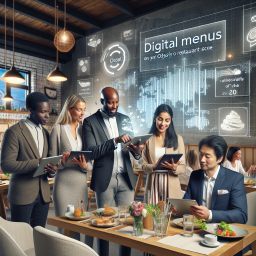
With a focus on convenience and efficiency, digital menu systems have effectively supplanted the traditional paper menus that have long been a staple in dining establishments across Oslo. PlumQR's offerings include multi-lingual support and customization options that cater to the diverse clientele typical in the Norwegian capital. These digital menus are equipped with interactive features, such as customizable item displays and allergen indicators, making them indispensable tools in the modern restaurant.
Comparing Costs and Benefits
| Feature | Traditional Paper Menu | Digital Menu |
|---|---|---|
| Initial Cost | NOK 32,700 for printing and design | NOK 2,835 for setup (one-time with PlumQR) |
| Update Cost | NOK 3,270 per update | NOK 0 for instant updates via an easy dashboard |
| Customization | Limited | High, with themes, images, and multi-lingual support |
| Hygiene | Requires continual sanitization | Naturally contactless and paperless |
| Interaction | Static, no direct engagement | Interactive, enhancing customer experience |
| Environmental Impact | High, due to paper consumption | Low, promoting sustainable practices |
By transitioning to digital menus, Oslo restaurants not only reduce costs significantly but also align with global sustainability efforts, which is a growing priority for many Norwegian consumers.
Operational Efficiency Enhancements Through Digital Solutions
For Oslo's restaurateurs, leveraging digital menu solutions means not only optimized operational processes but also significant cost reductions. Traditional paper menus have recurring expenses, especially when frequent updates are required. Conversely, PlumQR offers real-time updates without additional charges, ensuring restaurants can quickly adapt to seasonal menus without concern for extra costs.
Moreover, in Oslo, where health and safety regulations are strict, digital menus minimize the public health risks associated with handling paper. This innovative approach meets health-conscious consumer demands and supports safe dining environments.
Enhancing Customer Experience and Engagement
The introduction of digital menus in Oslo's dining scene has not only improved operational efficiency but also revolutionized how customers interact with menus. Features like Review QR aid in capturing customer feedback seamlessly, driving continuous improvement in service provision. Furthermore, interactive customization options, such as selecting spice levels or adding toppings, provide a personalized dining adventure, increasing customer satisfaction and brand loyalty.
Sustainability and Eco-friendly Practices
Oslo's community places high emphasis on sustainability, making digital menus a fitting solution. These paperless systems contribute to reduced environmental footprints, allowing restaurants to resonate with eco-conscious clientele by reducing waste through significantly diminished paper usage.
Versatility and Flexibility in Implementation
Digital menus are not just efficient but also adaptable, fitting comfortably across Oslo's wide array of dining establishments, from intimate cafes to high-end dining spots. By supporting multiple languages, they address Oslo's culturally rich dining scene, providing inclusive options for both locals and international visitors, enhancing user experience effectively.
Investing in Digital Transformation
Transitioning to digital solutions is more than a trend; it's a strategic step towards future growth. Oslo's restaurants can leverage these technologies to improve efficiency, reduce costs, and enhance customer interactions. By becoming part of the PlumQR partner network, restaurateurs can embrace innovations that align with the city’s ethos of modernization while promoting sustainable business practices.
In summary, adopting digital solutions like those from PlumQR is a pioneering move for Oslo's eateries. It ensures they remain at the forefront of the dining industry, achieving a balance between cost-efficiency, customer satisfaction, and environmental responsibility.